
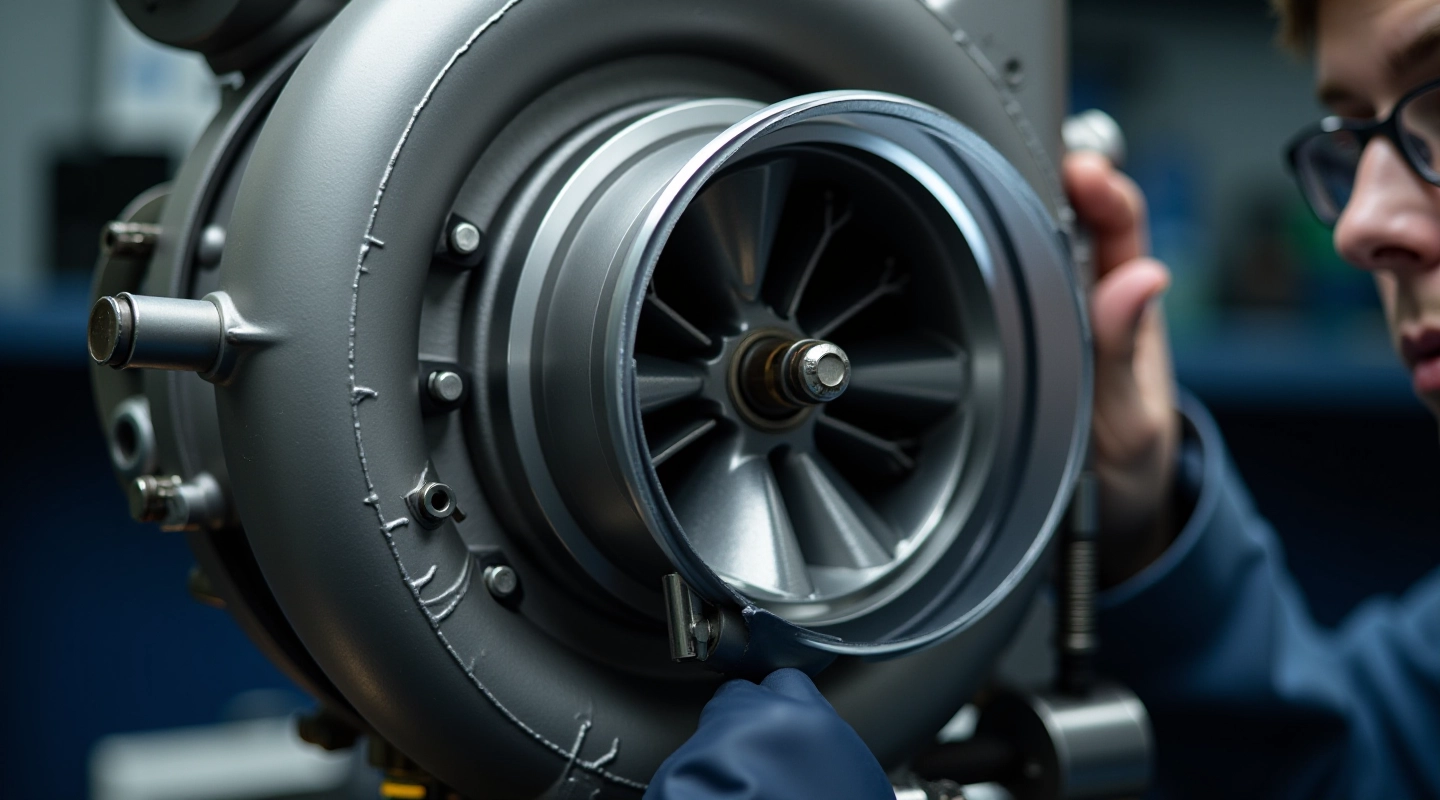
Understanding Turbocharger Cartridge Components
What's inside a turbo cartridge and why each part matters. Covers rotors, bearings, seals and how they work together.
What you can do between rebuilds to extend turbo life. Oil changes, filter replacement, and simple checks that actually prevent problems.
Author
Editorial Team
Written by the nexoworks Editorial Team, focused on honest, practical guidance for turbocharger service and diagnostics.
Turbos are tough pieces of equipment, but they're not invincible. You don't need to wait for something to break before you think about maintenance. The truth is, most turbo problems start small — tiny bits of carbon buildup, slight oil degradation, filter restrictions. These things add up. Here's what you can actually do between rebuilds to keep your turbo running strong.
We're not overstating this — oil quality directly impacts turbo life. Turbos run at extreme speeds and temperatures. The bearings inside need clean, fresh oil to survive. Most people don't realize that turbo oil requirements are stricter than regular engine oil.
You should change oil every 3,000 to 5,000 miles depending on your driving style. Stop-and-go traffic? Every 3,000. Highway driving? You can stretch it to 5,000. Don't just follow the generic maintenance schedule — turbos deserve attention.
Key point: Use synthetic oil if possible. It breaks down slower and maintains better viscosity at turbo operating temperatures — often 150°F or higher.

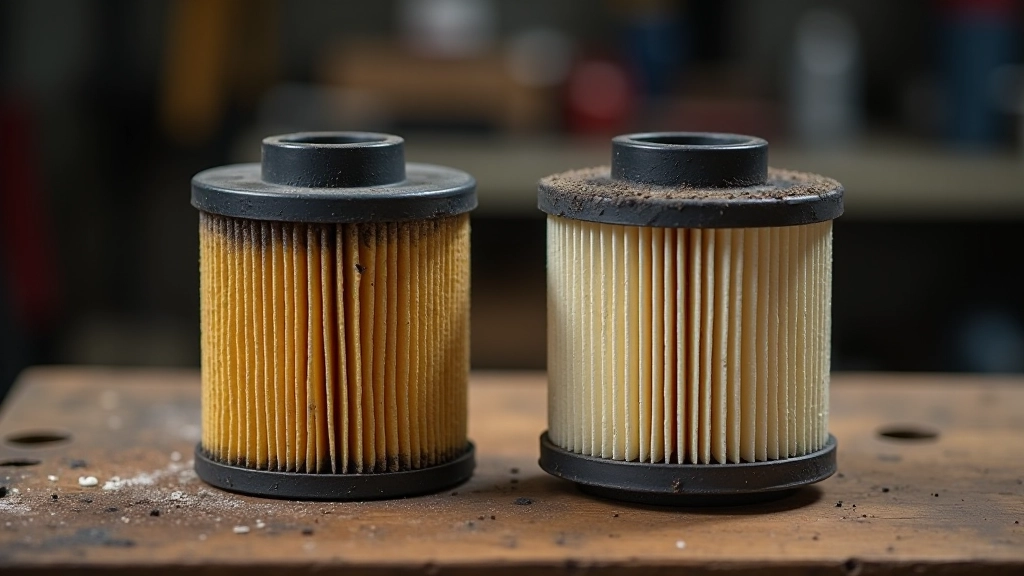
A clogged air filter forces your turbo to work harder. It's that simple. The compressor has to spin faster to push the same volume of air when the intake is restricted. That extra stress accumulates. You're also running a richer fuel mixture because the engine thinks it needs more fuel to compensate.
Check your air filter every 15,000 miles. In dusty environments, check every 10,000. Don't wait for the warning light. A clean filter costs about 20-30 euros and takes five minutes to install. A damaged turbo costs 500-1000 euros to rebuild.
The math is obvious, isn't it?
Don't hammer the accelerator immediately after starting. Let the engine warm up for 30 seconds. Oil needs time to reach the turbo bearings. Cold oil doesn't protect as well.
Don't shut off the engine immediately after pushing hard. Let it idle for 30-60 seconds. The turbo is still spinning hot. Idling lets oil circulation continue while temperatures drop gradually.
Don't let your car idle for more than a minute with the engine running. Idling doesn't build oil pressure the way driving does. The turbo bearings aren't getting proper lubrication during long idle periods.
Add a quality fuel system cleaner every 3,000 miles. It prevents carbon buildup in the turbo intake. Less buildup means less stress on the compressor wheel.
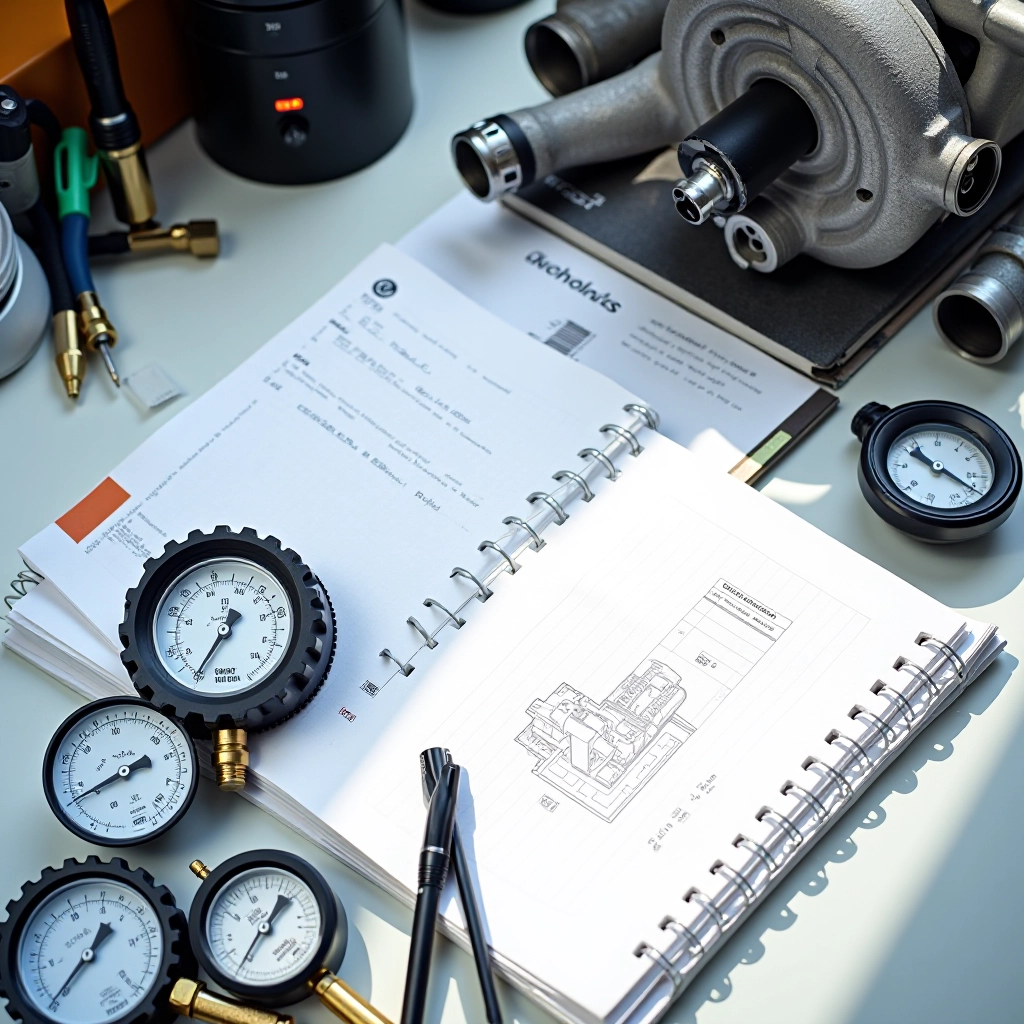
You don't need expensive diagnostic equipment. Many modern vehicles have built-in boost pressure sensors. Check your dashboard for a boost gauge or use a simple OBD-II reader. It's a cheap way to catch problems early.
Normal boost pressure varies by vehicle, but it's usually 8-15 PSI depending on the turbo size and engine tuning. If you're consistently seeing lower boost than normal, that's a warning sign. Could be a boost leak. Could be worn compressor blades. Could be a clogged intercooler.
Early detection prevents catastrophic failure. A small boost leak discovered now won't destroy your turbo. Left unchecked for 5,000 miles? That's a different story.

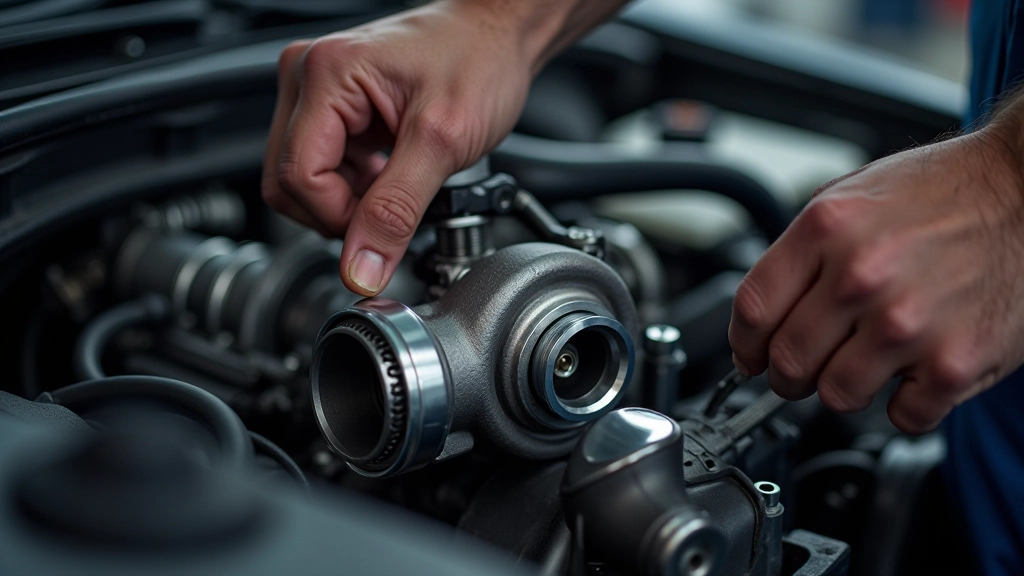
The hoses connecting your turbo to the intercooler carry compressed air at high pressure. Over time, they crack, separate at the clamps, or develop leaks. Even a small leak reduces boost pressure and stresses the turbo.
Check these hoses every 10,000 miles. Look for visible cracks, disconnections, or oil residue (indicating a leak). Replace any hose that shows wear. They're inexpensive and take 15 minutes to swap.
You'll also want to inspect the intercooler itself. It collects debris and can get clogged. A blocked intercooler means hotter boost air, which means less power and more heat stress on the turbo.
Turbo maintenance isn't complicated. It's regular attention to things that actually matter. Fresh oil. Clean air filter. Warm-up and cool-down procedures. Boost pressure monitoring. Hose inspection. These aren't exotic procedures. They're basic habits that add years to your turbo's life.
Most turbo failures we see don't happen because the turbo is defective. They happen because preventive maintenance was skipped. Don't be that person. Spend a little time now, and you won't be spending a lot of money later.
Want to understand what's inside your turbo before problems develop?
Learn about turbocharger cartridge componentsThis article is informational only and is not a substitute for professional mechanical service. Consult a qualified mechanic about your specific vehicle's maintenance schedule and any concerns about turbocharger performance.
What's inside a turbo cartridge and why each part matters. Covers rotors, bearings, seals and how they work together.

How to diagnose boost pressure issues without expensive equipment. Signs of problems and what they actually mean.
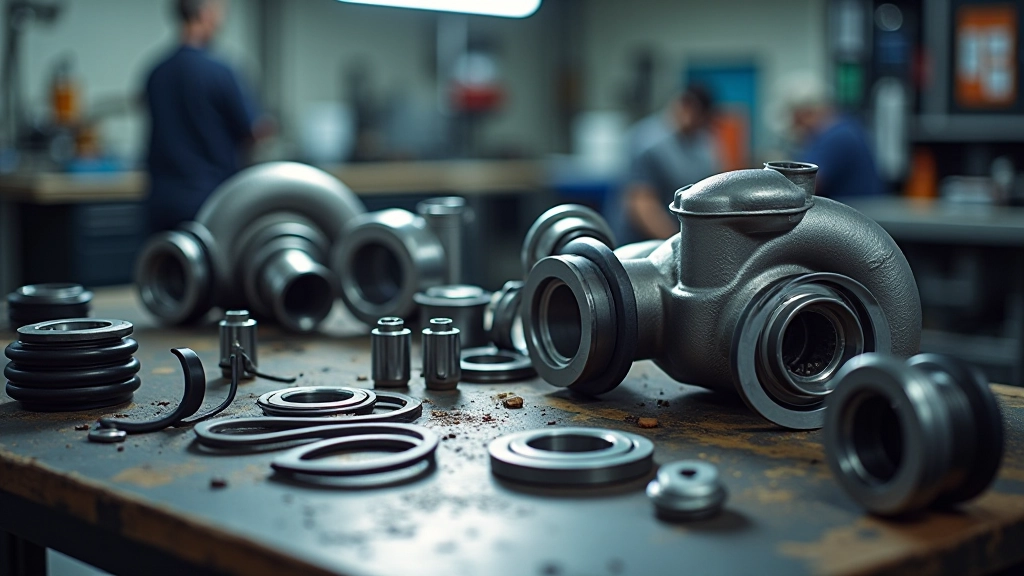
The actual rebuild procedure from disassembly to reassembly. What technicians do and why each step matters.