
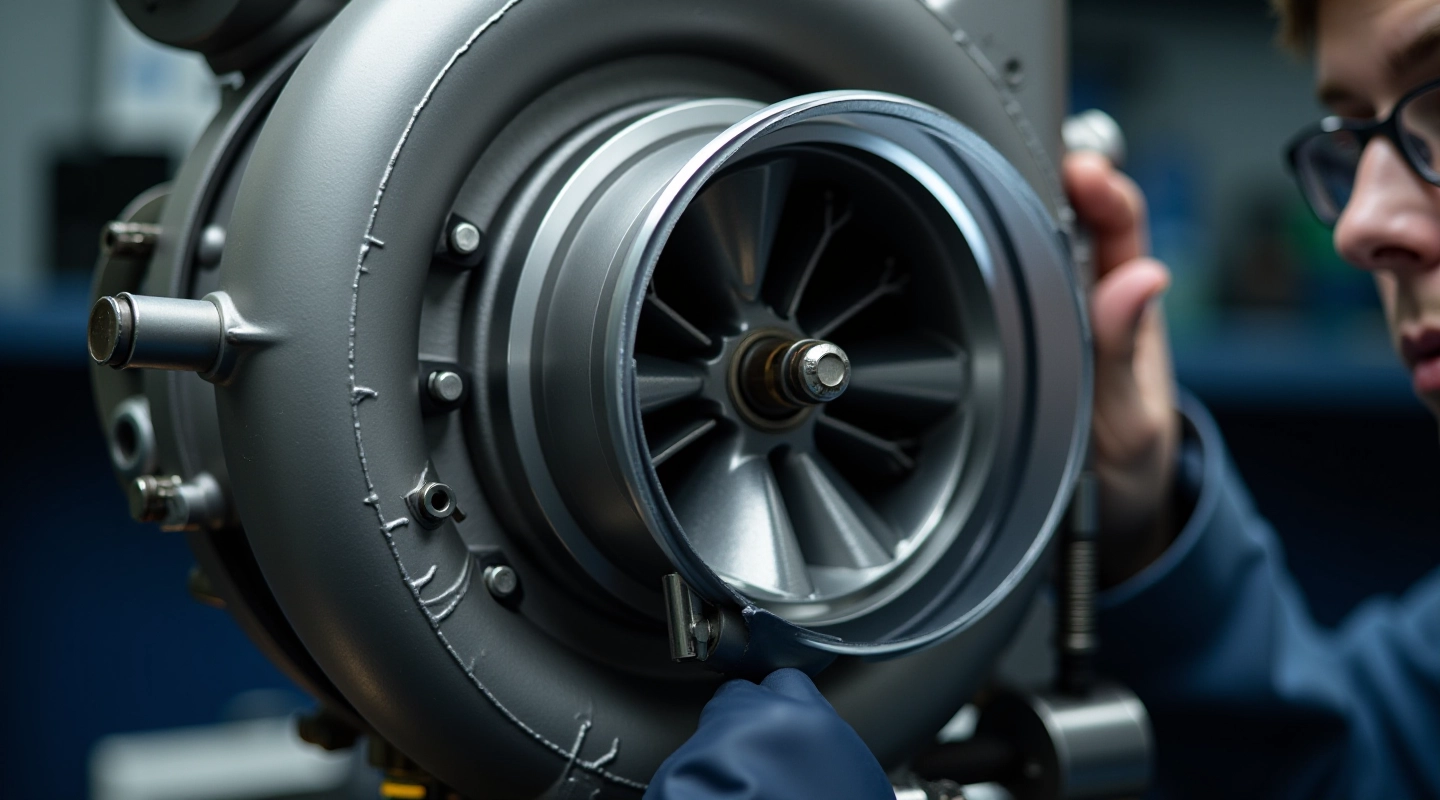
Understanding Turbocharger Cartridge Components
What's inside a turbo cartridge and why each part matters. Covers rotors, bearings, and seals that keep everything running.
How to diagnose boost pressure issues without expensive equipment. Signs of problems and what they actually mean for your turbo.

Author
Editorial Team
Written by the nexoworks Editorial Team, focused on honest, practical guidance for turbocharger service and diagnostics.
Boost pressure is what keeps your turbocharger running efficiently. When it's not where it should be, you'll start noticing performance drops. The thing is, most people assume they need expensive diagnostic equipment to figure out what's wrong. That's not always true.
We've spent years working on turbos in the workshop. We know what signs point to real problems and which ones you can actually check yourself. Before you drop money on computer diagnostics, there's a lot you can learn just by paying attention to how your engine behaves.
Low boost pressure affects everything—throttle response, acceleration, fuel economy. You'll feel it when you step on the gas. But pinpointing the cause? That requires understanding what's actually happening inside the turbo system.
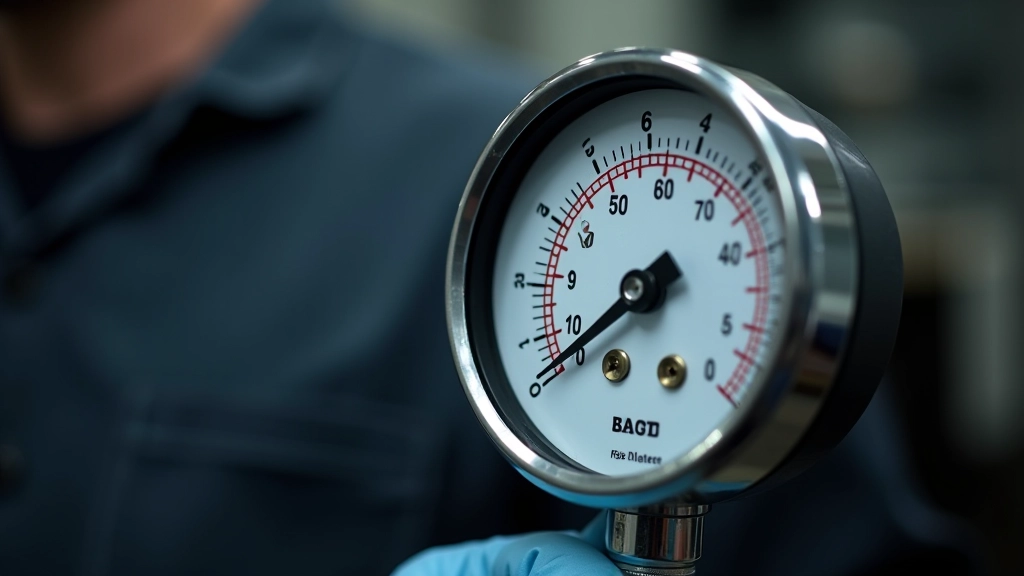

There's a reason we start here. Most turbo problems announce themselves before they get serious. You don't need special tools to notice them—you need to listen and feel what the engine's telling you.
The engine feels sluggish when you push the pedal. Normally you'd expect quick response. Instead you get a delay, like the turbo's thinking about whether it wants to work. This typically means boost pressure isn't building up to where it should be—usually around 0.8 to 1.2 bar depending on your engine.
Black or blue smoke pouring out means fuel isn't burning properly. Could be too much boost, could be a leak letting oil into the combustion chamber. Either way, it's telling you something's out of balance in the system.
If the boost system isn't regulating correctly, intercooler temperatures climb fast. High boost pressure without proper cooling will overheat your engine quickly. You'll see the temperature gauge creeping up even under normal driving.
Before we talk about expensive diagnostics, let's cover what you can actually do yourself. Some of the most telling signs are things you can spot with your eyes and ears.
Start simple. Look at all the boost pressure hoses running from the turbo. Are they cracked? Loose? A single small crack lets boost escape, which means your engine never reaches full pressure. We've seen hoses that looked fine until you squeezed them and felt the damage inside. That's a quick 5-minute fix that solves a lot of performance issues.
With the engine running, listen carefully near the intake manifold and turbo. A whistle or hissing sound is a leak. It's compressed air escaping where it shouldn't. The louder the whistle, the bigger the leak. These are some of the easiest problems to find because they literally announce themselves.
This one's telling. Remove the intercooler outlet hose and look inside. If you see oil pooling there, you've got a turbo bearing leak. Oil in the intake means the seals aren't holding anymore. That's a cartridge rebuild situation—the turbo's wearing out and needs attention soon.
The wastegate regulates how much boost reaches the engine. If it's stuck, you'll have either too much or too little pressure. With the engine off, you should be able to move the wastegate rod by hand—gently, not forced. If it won't move, it's seized. If it moves too easily, the spring might be broken.

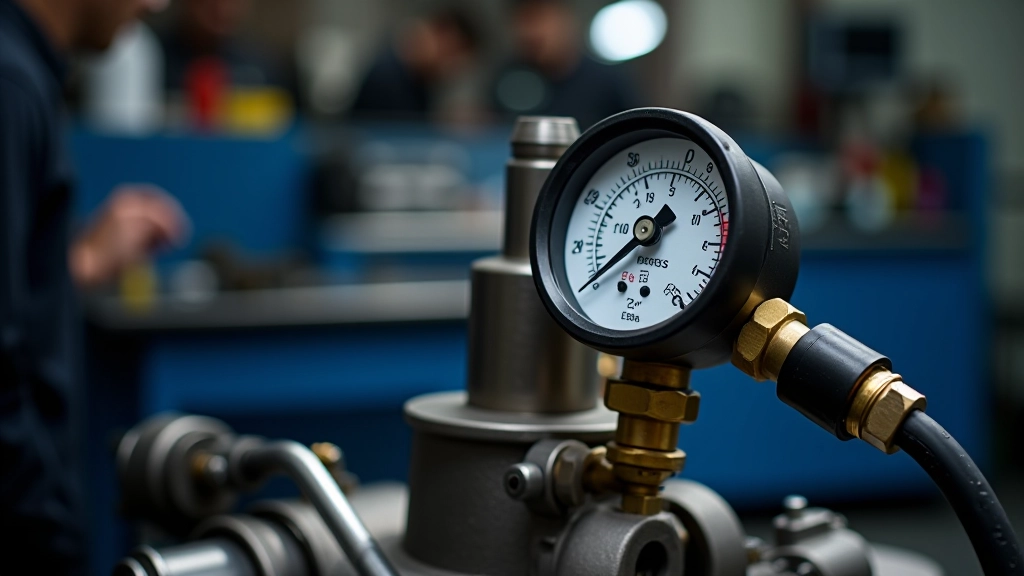
When you're ready to get actual numbers, you don't always need a full diagnostic computer. A basic boost pressure gauge—the kind that costs 30-40 euros—gets you solid data. You're measuring what the turbo's actually producing under load.
Here's what normal looks like: most gasoline engines run 0.8 to 1.2 bar of boost at full throttle. Diesel engines often go higher, 1.5 to 2.0 bar. If your gauge is reading 20-30% below those targets, you've got a problem. Could be a leak. Could be the wastegate opening too early. Could be the compressor losing efficiency.
What you're looking for is consistency. Boost should climb smoothly as engine speed increases. If it jumps erratically or spikes then drops, something's not stable. That's usually a leak getting worse as pressure builds, or a wastegate that's malfunctioning.
Pro tip: Take readings at multiple engine speeds. Idle should show almost zero boost. At 2000 RPM you might see 0.3 bar. At 3500 RPM, you're at full boost. If boost isn't building with engine speed, that points to compressor problems or a serious leak.
We've seen hundreds of turbos come through the workshop. The problems fall into a few clear categories. Knowing which one you're dealing with gets you to a solution faster.
Cracked hoses, loose clamps, worn gaskets. Even tiny gaps leak compressed air. Result: boost pressure never reaches full strength. This is the most common issue we find, and it's often the cheapest to fix. A new hose or clamp kit might be all you need.
When the wastegate sticks open, boost escapes before it can reach the engine. Stuck closed and you've got too much boost. Either way, pressure isn't controlled. Wastegate replacement is straightforward on most vehicles.
After thousands of hours, compressor blades wear down. They don't compress air as efficiently. You get lower boost at full throttle. This usually means cartridge rebuild time—the compressor wheel needs replacement.
Worn bearings leak oil into the intake or exhaust side. You'll see smoke, and boost pressure suffers because the seals aren't tight anymore. Oil in the intercooler is a telltale sign. Rebuild is the answer here.
Sometimes it's this simple. A dirty air filter restricts intake airflow. The compressor can't pull in enough air to boost effectively. Check the filter first—it's the easiest thing to rule out.
Carbon buildup or oil sludge in the intercooler restricts flow. Boost pressure reads fine but cooling is poor. Engine runs hot. Sometimes cleaning works, sometimes you need a new intercooler depending on the damage.
You've done the basic checks. You've listened and looked. Maybe you've even taken boost pressure readings. Now what?
If you found a leak—a cracked hose, a loose clamp—fix it. These are simple jobs that make a real difference. If you heard a whistle and can't find the source, it's worth getting a mechanic to smoke-test the system. They'll pump low-pressure smoke through and watch where it escapes.
If the wastegate won't move or feels stuck, you've got your answer. Replacement is straightforward. If you saw oil in the intercooler, the turbo needs attention. That's not something you want to ignore—it'll only get worse.
Don't be intimidated by the diagnostic part. Start simple. Most boost pressure problems announce themselves clearly once you know what to listen for. We're here when you need help narrowing down the problem or discussing rebuild options.

Deepen your understanding of turbocharger systems and maintenance
What's inside a turbo cartridge and why each part matters. Covers rotors, bearings, and seals that keep everything running.
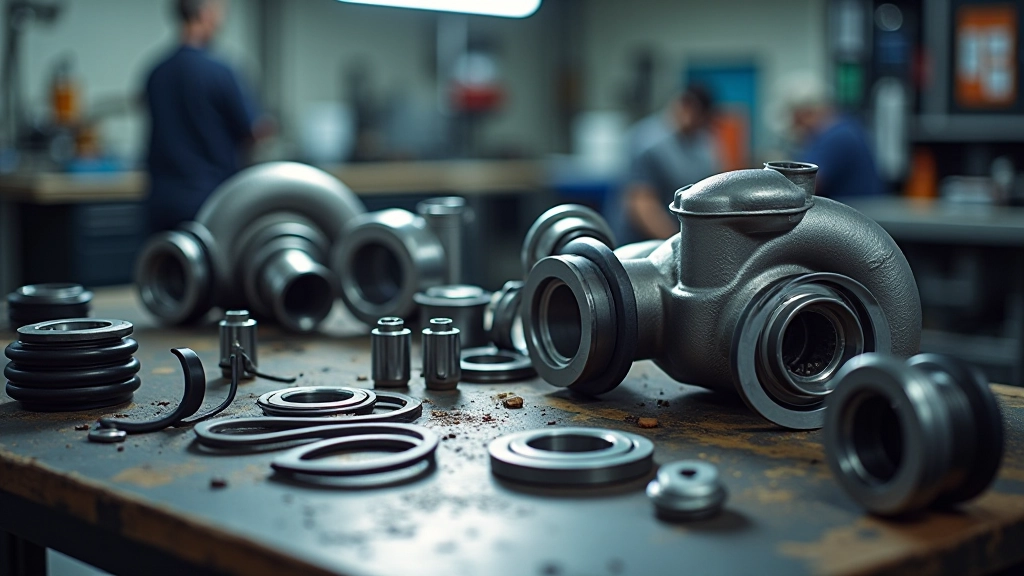
The actual rebuild procedure from disassembly to reassembly. What technicians do at each stage and why precision matters.
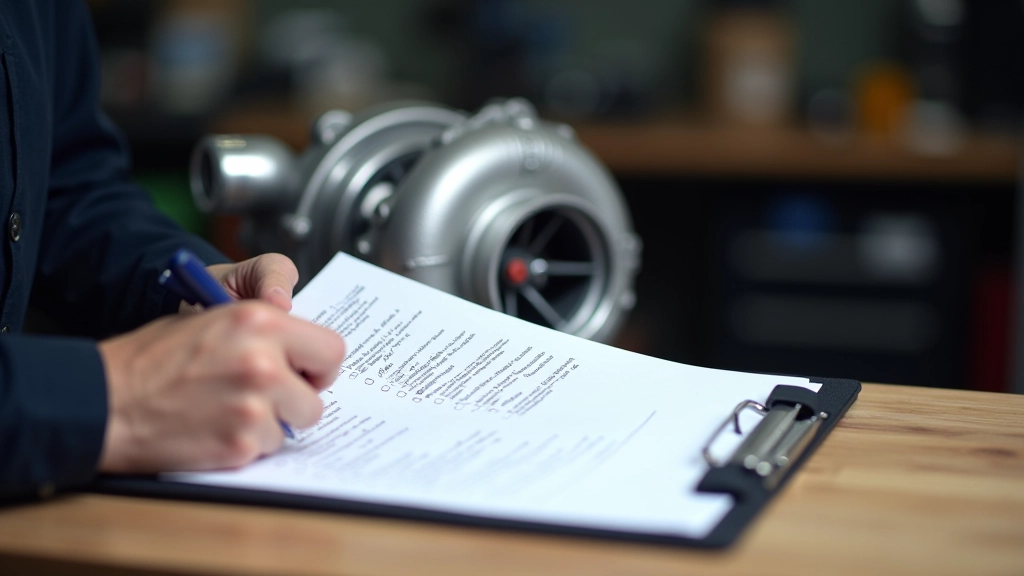
What you can do between rebuilds to extend turbo life. Oil changes, filter replacement, and inspection schedules that matter.
This article is informational only and is not professional mechanical advice. Turbocharger diagnostics and repairs involve complex systems and specialized knowledge. Please consult a qualified mechanic or technician about your individual vehicle situation before attempting any repairs or modifications.