

Boost Pressure Diagnostics: Finding Problems Fast
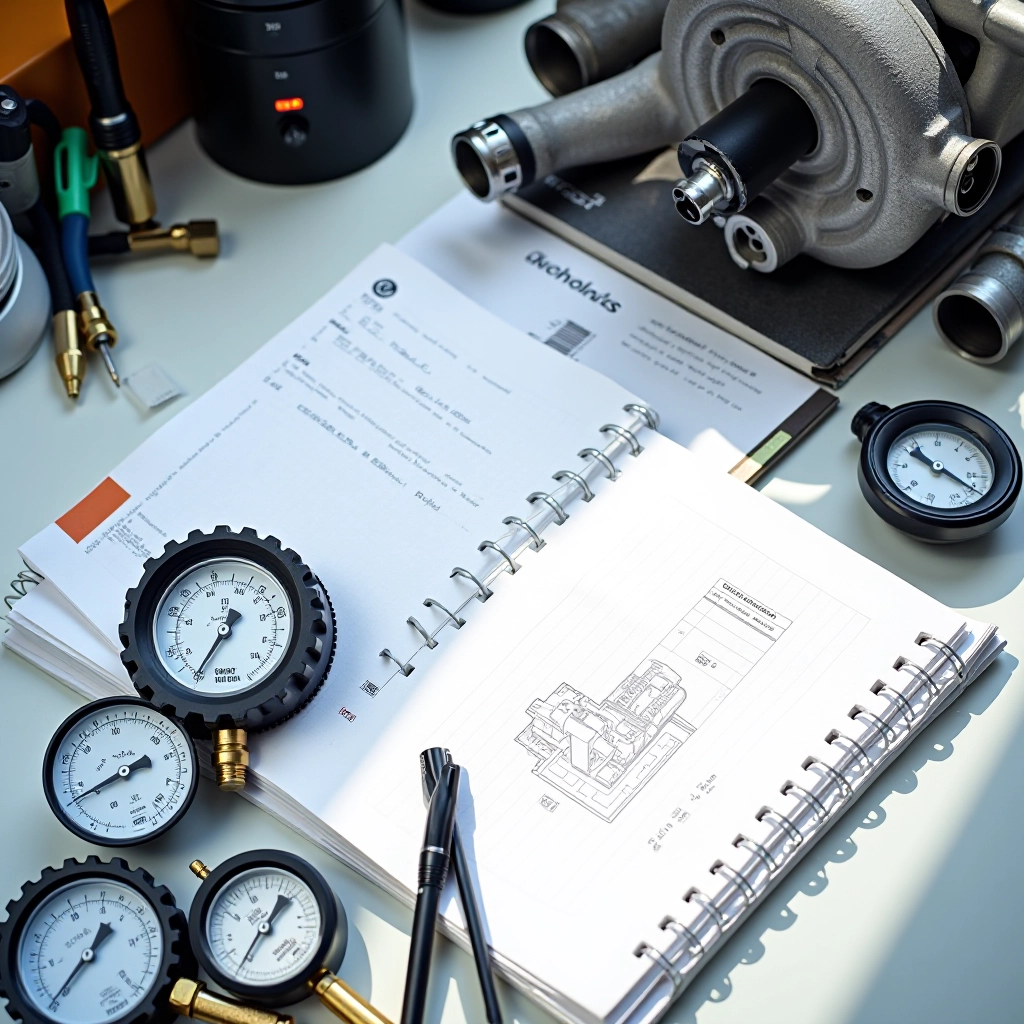
How to diagnose boost pressure issues without expensive equipment. Signs of problems and what they mean for your turbo's health.
What's inside a turbo cartridge and why each part matters. Covers rotors, bearings, seals, and how they work together.
Editorial Team
Written by the nexoworks Editorial Team, focused on honest, practical guidance for turbocharger service and diagnostics.
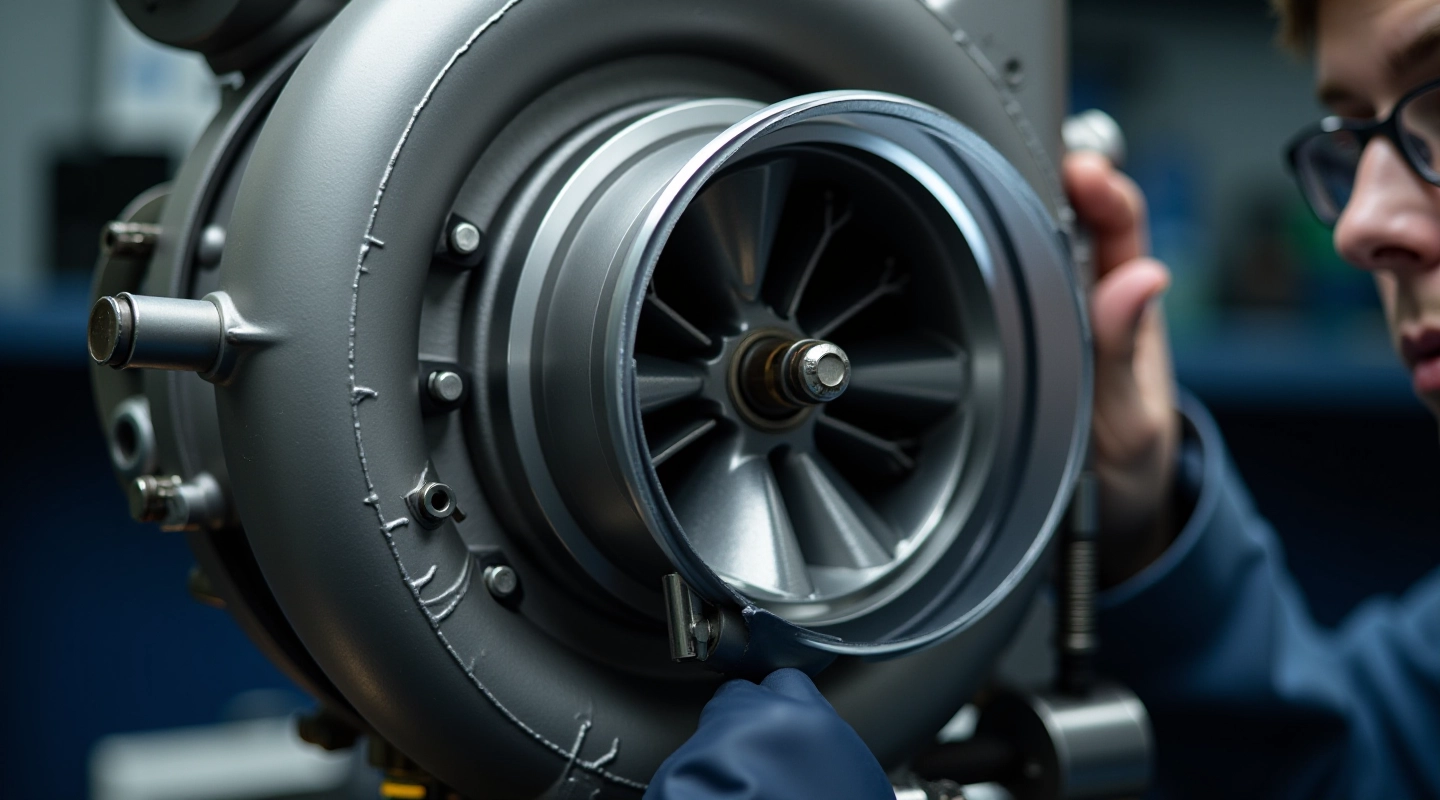
A turbocharger isn't just one solid part. It's a precision assembly of interconnected components working together at extreme speeds and temperatures. When you understand what's inside, you'll see why proper maintenance and rebuilding matters so much. Let's break down each major part and what it actually does.
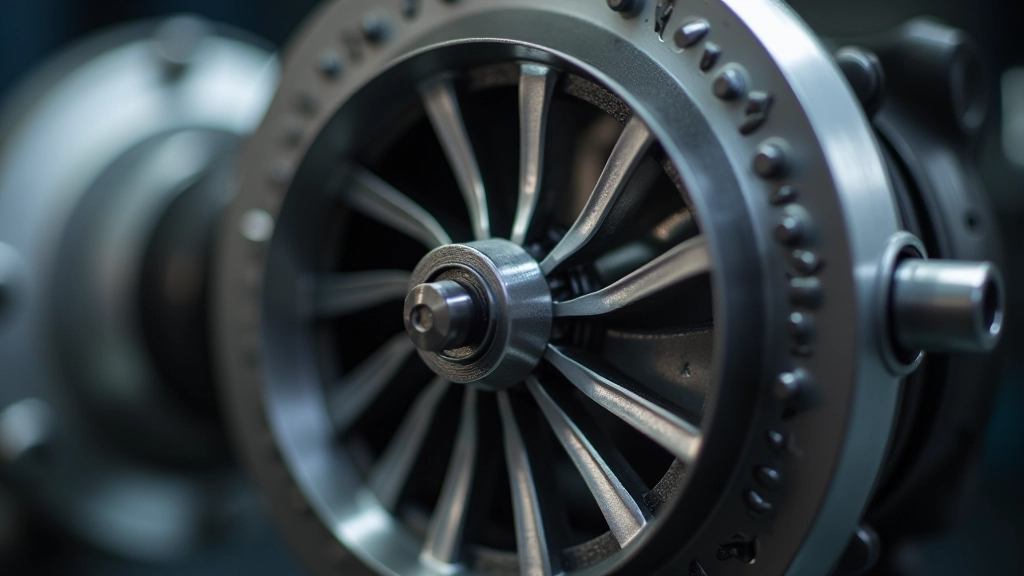
The compressor wheel sits at the front of the cartridge. It's usually made from aluminum alloy and features curved blades that pull in outside air, compress it, and force it into the engine's intake manifold. This wheel spins incredibly fast — sometimes reaching 150,000 to 200,000 RPM depending on boost levels.
The shape of those blades matters tremendously. They're not random curves. Engineers design them to handle specific airflow patterns while minimizing losses. When a compressor wheel gets damaged or develops even small cracks, boost pressure drops and efficiency plummets. That's why inspection is critical during a rebuild.
Key point: A worn compressor wheel is one of the most common failure modes. It's what makes boost feel sluggish or inconsistent.
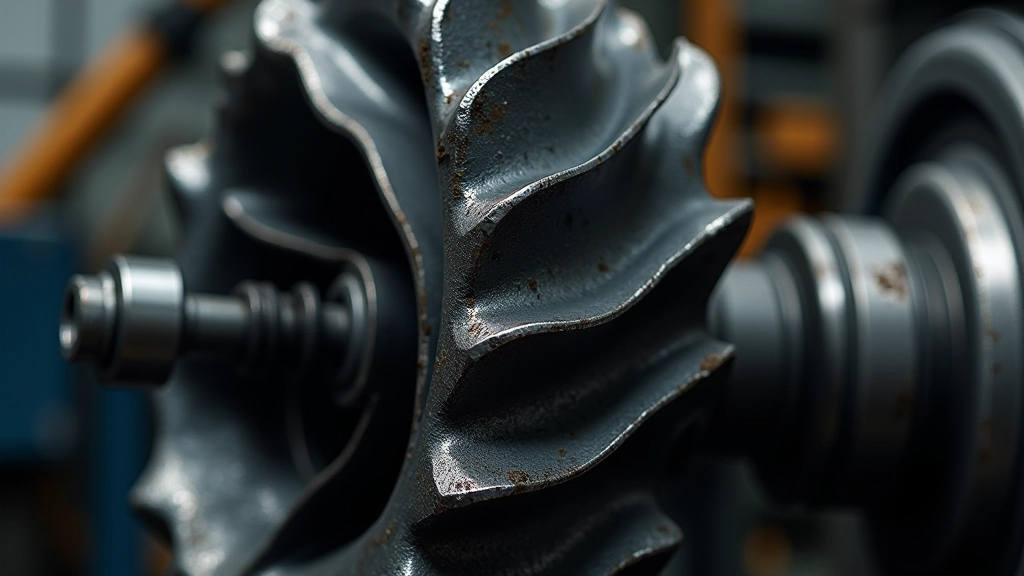
On the opposite end of the cartridge sits the turbine wheel. This one faces the exhaust flow coming out of the engine. Hot, high-pressure exhaust gases slam into the turbine blades, spinning the wheel — and that spinning motion is what drives the compressor wheel through the shaft they share.
The turbine wheel runs hotter than the compressor side. We're talking 600 to 800 degrees Celsius in some cases. That's why turbine wheels are usually made from cast iron or exotic alloys like Inconel. Aluminum just can't handle that heat. The blades also tend to be thinner and more delicate than compressor blades, making turbine damage especially common in high-boost applications.
You'll notice turbine wheels often have oxidation or discoloration. That's normal. What's not normal is visible cracks, missing blade sections, or warping. Any of those signs mean the wheel needs replacement.
Both wheels attach to a single shaft that runs through the center of the cartridge. This shaft is forged steel and must be perfectly balanced. Any imbalance creates vibration that can destroy bearings and seals in just a few hundred miles.
During a rebuild, the shaft gets inspected for straightness, cracks, and wear patterns. If it's damaged, the entire cartridge assembly is usually replaced rather than repaired. Straightening a turbine shaft is possible but expensive — often not worth it compared to a new cartridge.
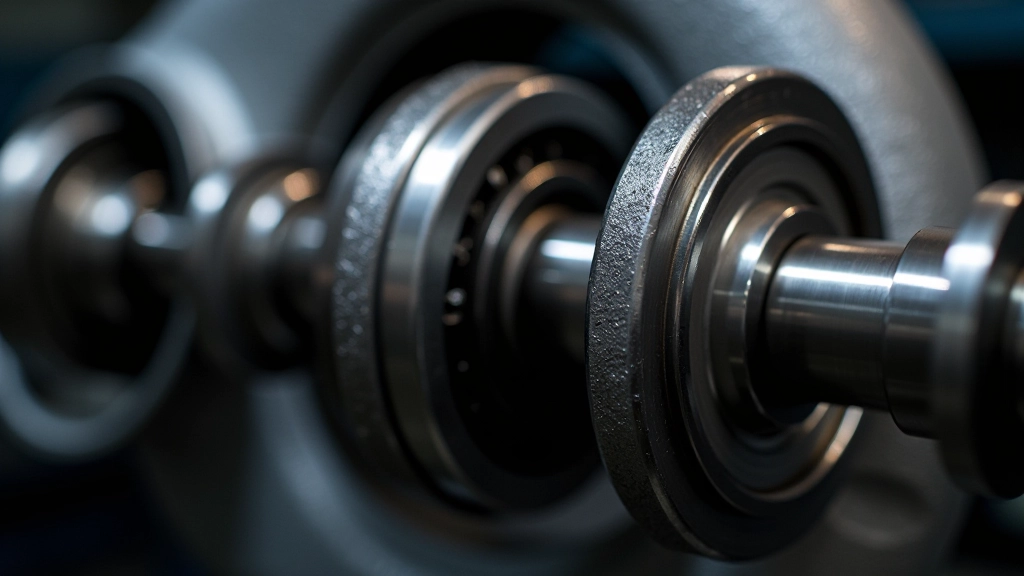
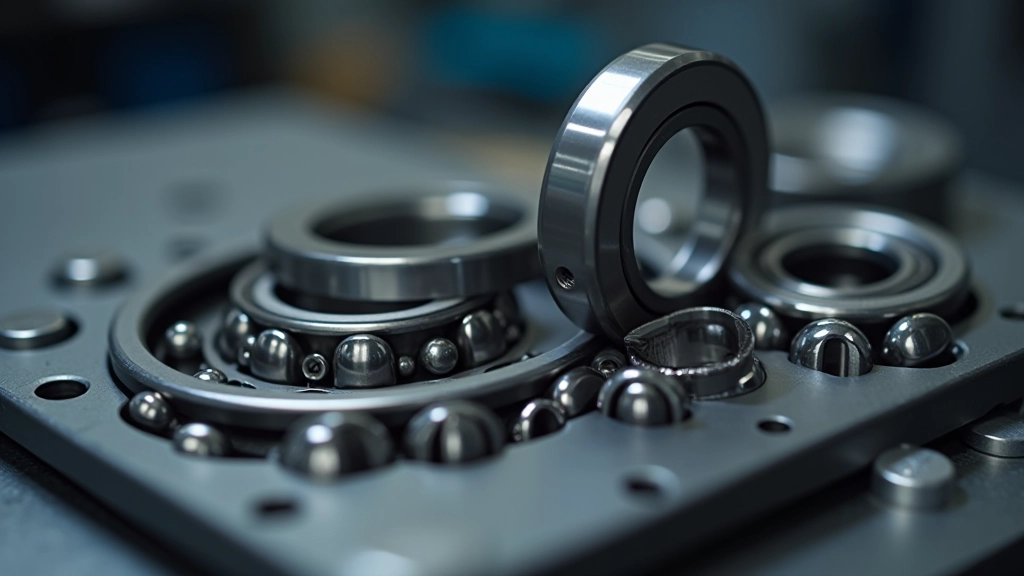
The shaft needs to spin freely and smoothly, so it rides on precision bearings. Most turbos use ball bearings at the ends and sometimes a roller bearing in the middle. These aren't your typical car wheel bearings — they're designed to handle extreme speeds and temperatures while staying lubricated by engine oil flowing through the center housing.
Bearing failure is usually a result of problems upstream. Contaminated oil, oil starvation, or excessive heat causes bearing wear. You'll hear a high-pitched whine or grinding noise if bearings are failing. Once they start to go, failure is fast. The shaft can seize or develop excessive play, both of which are catastrophic.
During rebuild, all bearings get replaced with new ones. It's not an area where reusing parts makes sense. The cost difference is minimal compared to the risk of repeat failure.
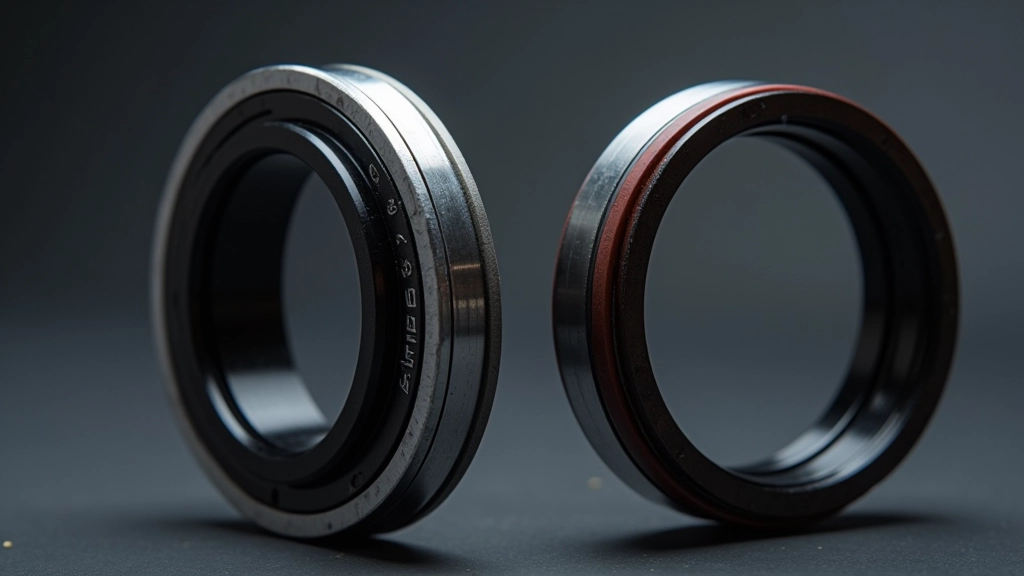
Seals prevent oil from leaking out of the center housing where the bearings live. There are typically two seals on a turbo cartridge — one on the compressor side and one on the turbine side. They're usually made from carbon and spring-loaded to maintain contact with the shaft as it spins.
Worn seals let oil creep into the compressor or turbine housing. If oil gets into the compressor, it'll get burned in the engine's cylinders, causing blue smoke on acceleration. If oil leaks into the turbine housing, it flows back into the exhaust system. Either way, you'll lose oil pressure and risk bearing damage.
Seal wear is gradual. You might notice slight oil weeping around the cartridge edges before it becomes a serious leak. Seals get replaced as a matter of course during any professional rebuild — they're cheap insurance against future problems.
Understanding these components helps you make smarter decisions about maintenance and repair. When a mechanic tells you the cartridge needs rebuilding, you'll know what's actually happening inside. The compressor wheel that accelerates air, the turbine wheel capturing exhaust energy, the shaft keeping everything aligned, the bearings supporting the spin, and the seals containing the oil — they're all critical.
Most failures don't happen suddenly. They develop gradually. Oil starvation slowly wears bearings. Heat cracks compressor blades. Contamination pits seal surfaces. That's why catching problems early — through regular maintenance and inspection — saves you money and prevents catastrophic failures on the road.
If you're thinking about a rebuild, you now understand what's being restored. It's not just routine maintenance. It's bringing precision components back to factory specification so your turbo performs reliably for years to come.
This article is informational only and is not professional mechanical advice. For turbocharger service, diagnostics, and repairs, please consult a qualified automotive technician who specializes in turbocharger work. Individual vehicle conditions vary, and professional assessment is recommended before any service.
How to diagnose boost pressure issues without expensive equipment. Signs of problems and what they mean for your turbo's health.
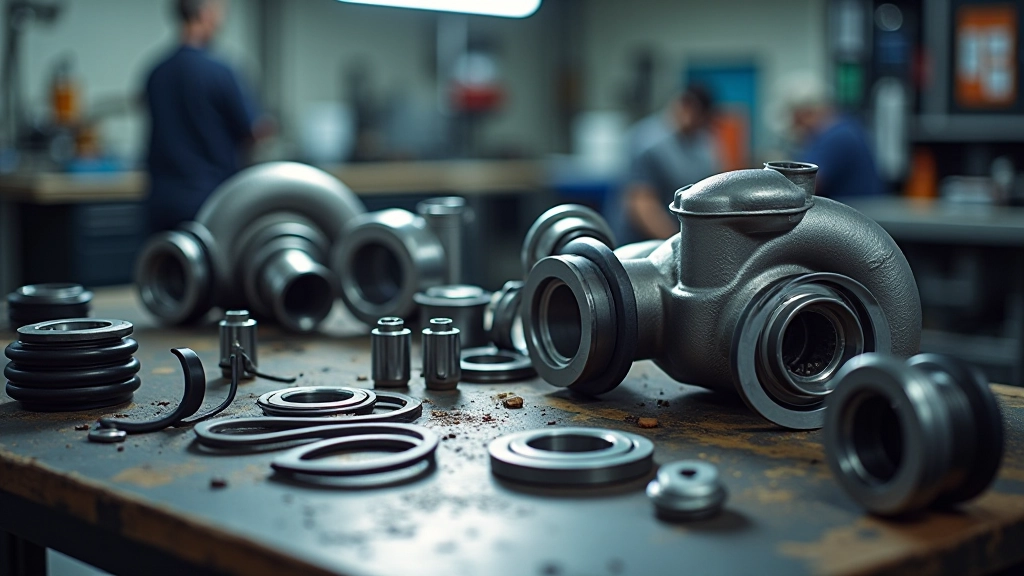
The actual rebuild procedure from disassembly to reassembly. What technicians do at each stage and why precision matters.
What you can do between rebuilds to extend turbo life. Oil changes, filter replacements, and monitoring strategies that work.